

This post contains affiliate links. See my disclosure policy here.
About Gingerbread Syrup
Simple syrup, sometimes called “sugar syrup,” is a basic sweetener that’s commonly used in cocktails. In its simplest form, it’s made by dissolving sugar in water to create a smooth, sweet liquid.
Gingerbread syrup is a rich, nostalgic variation that gently infuses fresh ginger and classic baking spices with sugar using a sous vide method. Its deep caramel-brown color, warming molasses-like sweetness, and layered notes of ginger, cinnamon, clove, and nutmeg capture the cozy essence of freshly baked gingerbread—without the sharp bite or flat spice character that can come from boiling on the stovetop.
Gingerbread flavors are especially popular during the winter holidays in countries like Germany and the United Kingdom, where spiced biscuits and festive bakes are a seasonal tradition. From German Lebkuchen to classic British gingerbread, the combination of ginger and warming spices has long been associated with Christmastime comfort. While many cocktail enthusiasts reach for store-bought syrups, I prefer making mine at home to control the intensity of the spice blend and sweetness, creating a smooth, fragrant syrup that’s perfect for coffee drinks, creamy dessert cocktails, or spirit-forward recipes featuring bourbon, rum, or aged tequila.
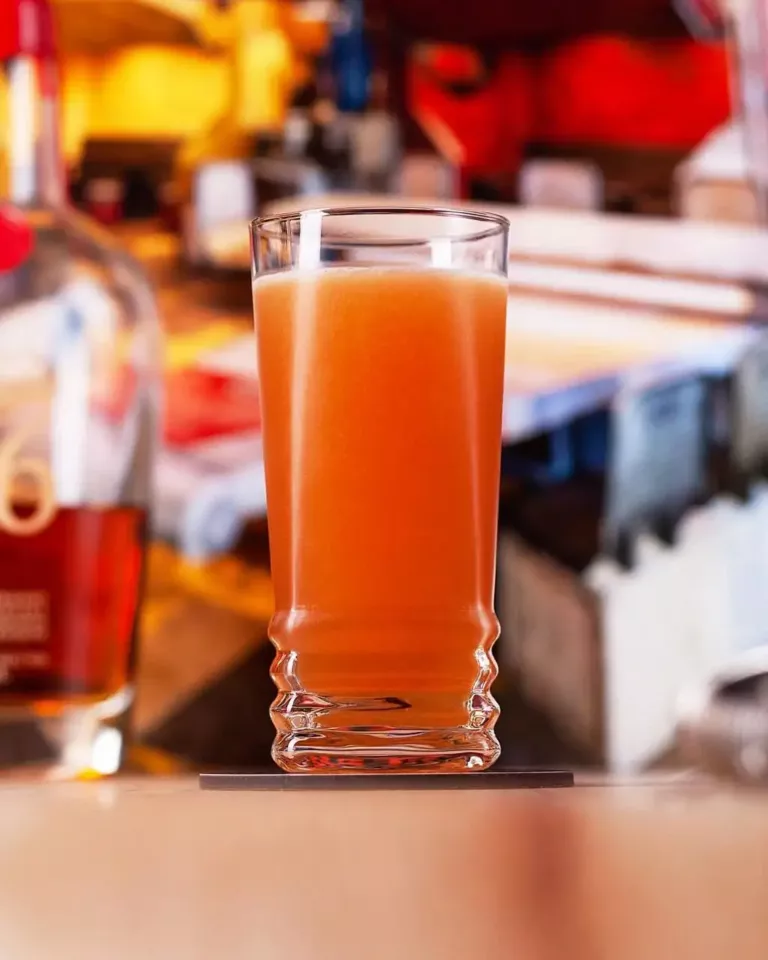
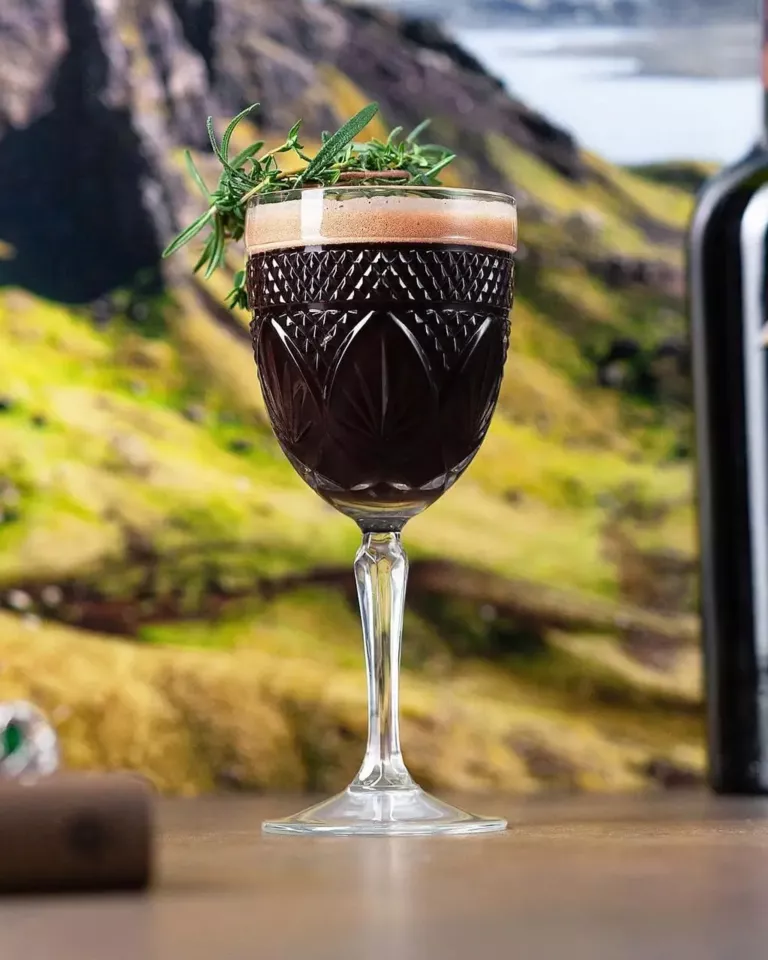
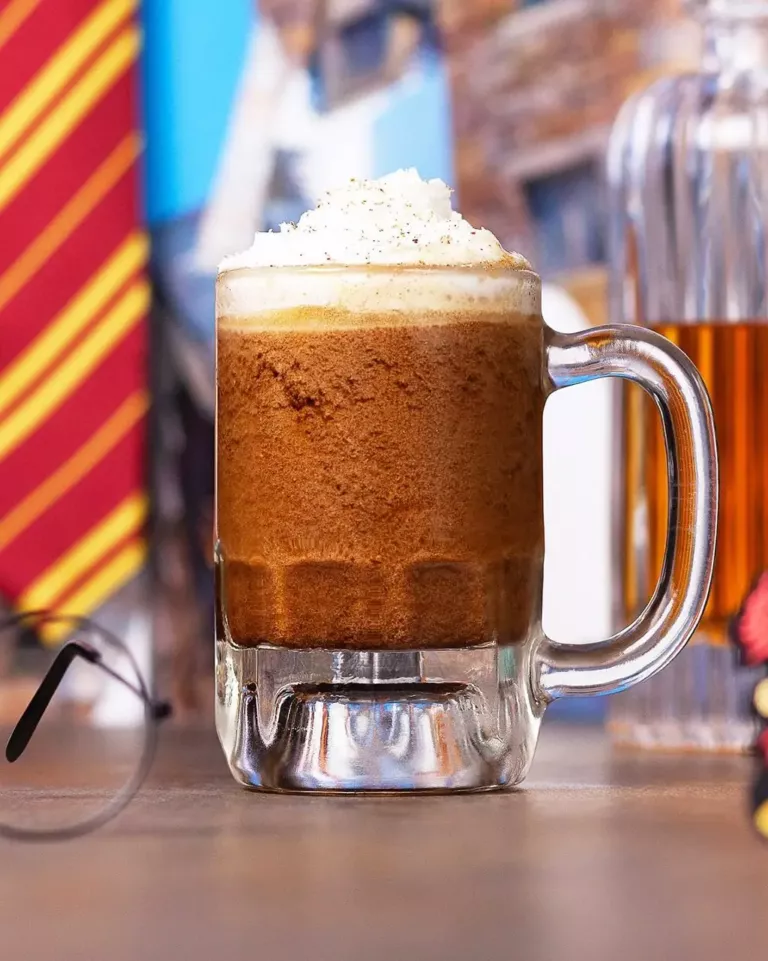
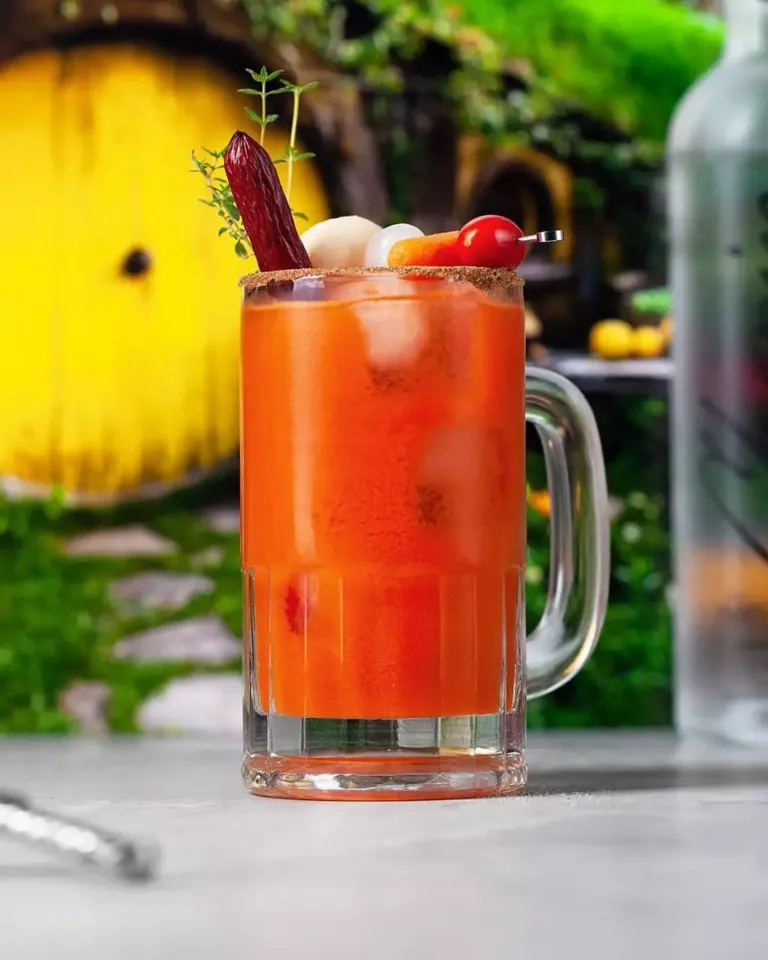
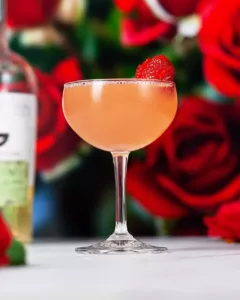
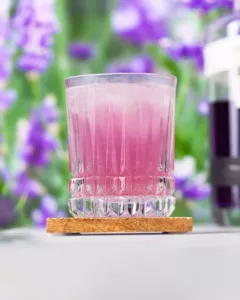
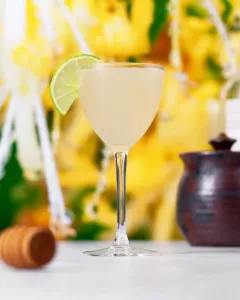
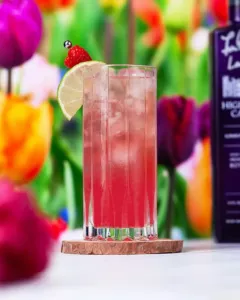
Cocktails I Made with Gingerbread Syrup
Gingerbread Syrup Ingredients
To make this syrup, you’ll need the following ingredients:
Pure Cane Dark Brown Sugar: This is a soft, moist sugar that contains a higher amount of molasses than light brown sugar, giving it a deeper color, richer flavor, and slightly sticky texture.
Pure Cane Granulated Sugar: This is a refined sweetener made from sugarcane juice that’s been crystallized and dried into uniform, free-flowing white crystals.
Water: This is a clear, tasteless, and odorless liquid that’s composed of hydrogen and oxygen.
Gum Arabic Powder: This is a natural, water-soluble resin that’s derived from the sap of acacia trees and is commonly used as a stabilizer, thickener, or emulsifier in food and beverages.
Honey: This is a thick, golden sweetener produced by bees from flower nectar that’s made into a concentrated syrup known for its natural sweetness and complex floral flavors depending on where it’s harvested.
Vanilla Extract: This is a concentrated liquid flavoring that’s made by soaking vanilla beans in alcohol and water, producing a rich, aromatic essence.
Ginger: This is the aromatic, pungent root of the ginger plant that’s commonly used to add a zesty, slightly spicy flavor to foods and beverages.
Whole Cloves: These are the dried, unopened flower buds of the clove tree that are known for their strong aromatic spice flavor.
Cinnamon Stick: This is a rolled strip of dried inner bark from the cinnamon tree that’s known for its warm, sweet-spicy aroma and flavor.
Ground Nutmeg: This is a warm, aromatic spice made by finely grating the dried seed of the nutmeg tree that’s known for its sweet, slightly nutty flavor.
Whole Allspice Berries: These are dried berries from the Pimenta dioica plant that are known for its warm, aromatic flavor with hints similar to cinnamon, nutmeg, and cloves.
Whole Black Peppercorns: These are the dried, unground fruit of the Piper nigrum plant that are known for their pungent, sharp, and aromatic flavor.
Brands I Used
- 🔗 C&H Premium Pure Cane Dark Brown Sugar
- 🔗 C&H Premium Pure Cane Granulated Sugar
- 🔗 Modernist Pantry Pure Gum Arabic Powder
- 🔗 Simply Organic Pure Madagascar Vanilla Extract
- 🔗 Simply Organic Whole Cloves
- 🔗 Simply Organic Cinnamon Sticks
- 🔗 Simply Organic Ground Nutmeg
- 🔗 Spice Islands Whole Allspice Berries
- 🔗 Simply Organic Whole Black Peppercorns
Gingerbread Syrup Tools
To make this syrup using the sous vide method, you’ll need the following tools:
Stockpot: This is a large, deep cooking pot with straight sides and a flat bottom that’s typically used for preparing soups, stocks, sauces, or other recipes that require simmering larger quantities of liquid.
Immersion Circulator: This is a compact kitchen device that heats and continuously circulates water to maintain a consistent temperature for precision cooking.
Peeler: This is a kitchen tool with a sharp blade that’s used to remove the outer skin or peel from fruits and vegetables efficiently and safely.
Chef’s Knife: This is a versatile, broad-bladed kitchen knife with a pointed tip, typically 6-10 inches long, that’s designed for slicing, chopping, dicing, and mincing a variety of ingredients.
Electric Citrus Juicer: This is a kitchen appliance that quickly extracts juice from citrus fruits using a motorized reamer, making the process faster and easier than manual juicing.
Measuring Cup Set: This is a collection of cups and spoons in varying sizes, typically featuring easy-to-read markings and durable, easy-to-handle designs, that’s used to accurately measure both dry and liquid ingredients.
Food Scale: This is a kitchen tool that’s used to accurately measure the weight of ingredients, helping ensure precise portions and consistent results in cooking and baking.
Blender: This is a kitchen appliance with rotating blades that chops, purees, or emulsifies ingredients into smooth liquids or mixtures.
Large Freezer Bag: This is a resealable plastic bag with an interlocking closure at the top that’s used for storing, freezing, or transporting food securely.
Small Spring Clips: These are small, spring-loaded clips that are used to hold objects securely together.
Fine Mesh Strainer: This is a bar tool with a tightly woven mesh that’s used to strain small ice shards, pulp, and other solids from mixed drinks for a smooth, clean pour.
Pour Spout Measuring Cup: This is a container that’s marked with volume measurements and equipped with a spout to precisely control pouring liquids.
Silicone Spatula: This is a flexible, heat-resistant kitchen tool that’s used for stirring, scraping, and folding ingredients in bowls or pans without scratching the cookware.
Silicone Funnel: This is a flexible, heat-resistant funnel used to easily transfer liquids or powders into containers with narrow openings without spilling.
Tools I Used
- 🔗 All-Clad D3 3-Ply 8 Quart Stainless Steel Stockpot
- 🔗 Instant Pot Accu Slim Immersion Circulator
- 🔗 OXO Good Grips 2 Piece Peeler Set
- 🔗 OXO Good Grips 8-Inch Chef’s Knife
- 🔗 BLACK+DECKER 32 oz Electric Citrus Juicer
- 🔗 OXO 8 Piece Stainless Steel Measuring Cup Set
- 🔗 OXO Good Grips Everyday Glass Food Scale
- 🔗 Cuisinart SPB-7CH SmartPowder Electronic Bar Blender
- 🔗 Ziploc Gallon Freezer Bags
- 🔗 Romeda 3 ½ Inch Spring Clamps
- 🔗 Barfly Stainless Steel Fine Mesh Cocktail Strainer
- 🔗 OXO Good Grips 2 Cup Angled Measuring Cup
- 🔗 OXO Good Grips Silicone Everyday Spatula
- 🔗 Olamar Premium Silicone Kitchen Funnel Set
How to Make & Store Gingerbread Syrup
While many cocktail syrup recipes call for using the stovetop, I prefer making most syrups sous vide—a method I first found in the book Death & Co: Modern Classic Cocktails. Gentle, precise heat and slow cooking allow the sugar to dissolve completely while infusing fresh ginger and warming spices, preserving the syrup’s rich caramel-brown color and layered spice character. Plus, using an immersion circulator prevents scorching or over-reduction, which can mute both the flavor and the subtle spice notes.
Sous Vide Method
Fill a large stockpot with hot water, attach an immersion circulator to the side of the pot, and set the temperature to 145°F. Wash ginger root, then using a peeler and chef’s knife, peel and cut the ginger into medium slices, measuring out 120 g. Add 100 g dark brown sugar, 100 g granulated sugar, and 18 g gum arabic powder to a blender, then blend for 30–60 seconds until thoroughly combined. Measure out 225 ml hot water and slowly pour it into the blender with the sugar, blending for another 30–60 seconds until the sugar is fully dissolved. Add 1 TBSP honey, the 120 g sliced ginger, and 3 drops vanilla extract to the blender and blend for 30–60 more seconds until smooth. Pour the ginger and sugar mixture along with 7 whole cloves, 1 cinnamon stick, ½ tsp ground nutmeg, ½ tsp allspice berries, and ½ tsp black peppercorns into a high-quality, sealable freezer bag, removing as much air as possible when sealing. Once the water reaches 145°F, submerge the bag—leaving the top 3–4 inches above the water—and secure it to the side of the pot with clips so it doesn’t float. Let the syrup cook at 145°F for 2 hours, checking occasionally to ensure the bag remains submerged and the water temperature stays consistent. When finished, carefully remove the bag and place it in an ice bath for a few seconds, then let it cool for 5–10 minutes. Strain the syrup through a fine-mesh strainer 1–2 times to remove spices and any undissolved sugar, then use a funnel to pour it into a squeeze bottle or reusable pouch for storage in the refrigerator or freezer.
Storage Methods
After your gingerbread syrup is ready, it’ll need to be chilled to preserve freshness.
- Refrigerator Storage: For short-term use, I transfer the syrup to a condiment squeeze bottle or airtight jar and store it in the refrigerator. This method is great when I plan to use the syrup in cocktails within a few days, since the bottle or jar makes it easy to measure and pour without mess.
- Freezer Storage: For long-term storage, I transfer the syrup to a flexible pouch with a pouring spout, leaving a little space at the top to allow for expansion as it freezes. I’ll then thaw the pouch in a bowl of water when I’m ready to use the syrup again.
Flavored syrups like this one typically stay fresh for one to two weeks in the refrigerator and up to three months in the freezer. To keep track of freshness, I recommend labeling your containers with the date the syrup was made so you know when to enjoy or discard each batch.
Containers I Used
Squeeze Bottle: This is a flexible, squeezable container with a narrow spout that’s designed for dispensing liquids or sauces in controlled amounts.
Storage Pouch with Pouring Spout: This is a flexible, resealable container that’s designed for storing liquids so they can easily be poured without spills.
Recipe

Gingerbread Syrup
Description
Gingerbread syrup is a warm, spice-forward mixer crafted by combining fresh ginger, molasses or brown sugar, and classic baking spices with sugar, yielding a fragrant caramel-brown liquid that brings both cozy sweetness and layered complexity to cocktails. This version highlights bold ginger warmth balanced with notes of cinnamon, clove, and nutmeg, making it a festive and versatile complement to everything from a holiday Old Fashioned to winter-themed originals and coffee-based drinks.
Method: Sous Vide
Serving Size: 16 (1 fl oz each)
Ingredients
Method
Fill a large stockpot with hot water, attach immersion circulator to the side of the pot, and set temperature to 145°F.
Wash ginger root, then using a peeler and chef's knife, peel ginger, cut into medium slices, and measure out 120 g slices.
Add 100 g dark brown sugar, 100 g granulated sugar, and 18 g gum arabic powder to a blender, then blend for 30–60 seconds until ingredients are thoroughly combined.
Measure out 225 ml hot water, then slowly pour into blender with sugar and blend for 30–60 seconds until sugar is fully dissolved.
Add 1 TBSP honey, 3 drops vanilla extract, and 120 g ginger slices to blender and blend for 30–60 more seconds until ingredients are thoroughly combined.
Pour ginger and sugar juice mixture, 7 whole cloves, 1 cinnamon stick, ½ tsp ground nutmeg, ½ tsp allspice berries, and ½ tsp peppercorns into a high-quality, sealable freezer bag, removing as much air as possible as you seal it.
Once the water has heated to 145°F, submerge the bag, leaving the top 3–4 inches outside of the water, and secure it to the side of the pot with clips so it doesn’t float.
Let syrup cook at 145°F for 2 hours, checking occasionally to make sure the bag remains submerged and the water temperature stays consistent.
Once cooked, carefully remove the bag from the water and place it into an ice bath for a few seconds, then let syrup cool for 5–10 minutes.
Strain syrup through a fine mesh strainer 1–2 times to remove spices and any undissolved sugar.
Using a funnel, pour syrup into a squeeze bottle or reusable pouch and store in the refrigerator or freezer.