

This post contains affiliate links. See my disclosure policy here.
About Pine Syrup
Pine syrup is a fresh, forest-inspired mixer that captures the bright, resinous character of evergreen in a subtly sweet, aromatic form. It’s considered a flavored simple syrup, which is essentially just sugar dissolved in hot liquid, but with pine tea that adds a clean, woodsy depth without becoming overpowering.
Like classic simple syrup, it’s also easy to make at home. In this recipe, water, sugar, and pine tea are gently infused together sous vide until the sugar dissolves and the flavors fully meld, preserving the crisp, natural essence of pine in every drop. And once it’s finished, this distinctive syrup can be paired with gin, vodka, tequila, or sparkling wine—perfect for adding a fresh, outdoorsy twist to cocktails any time of year, especially in wintery or alpine-inspired drinks.
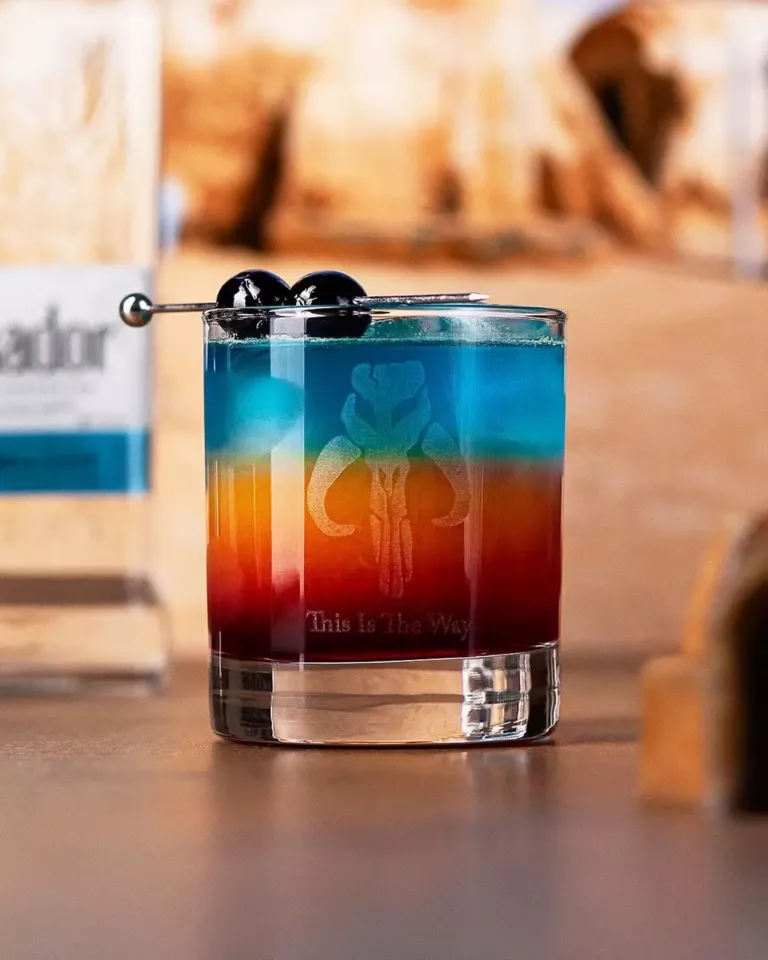
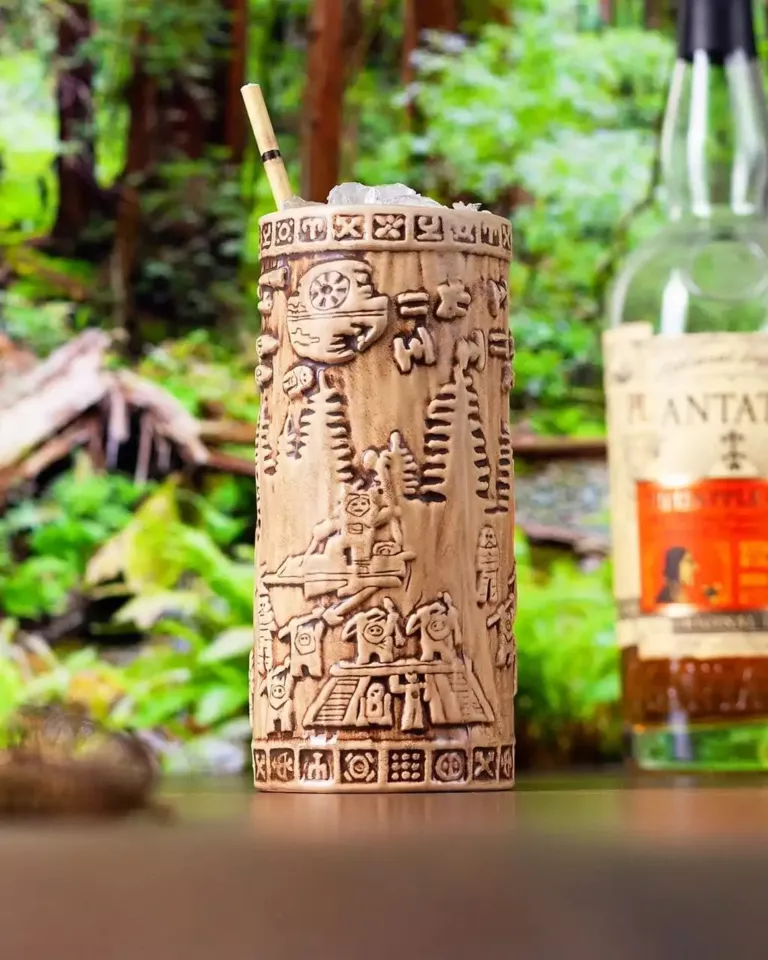
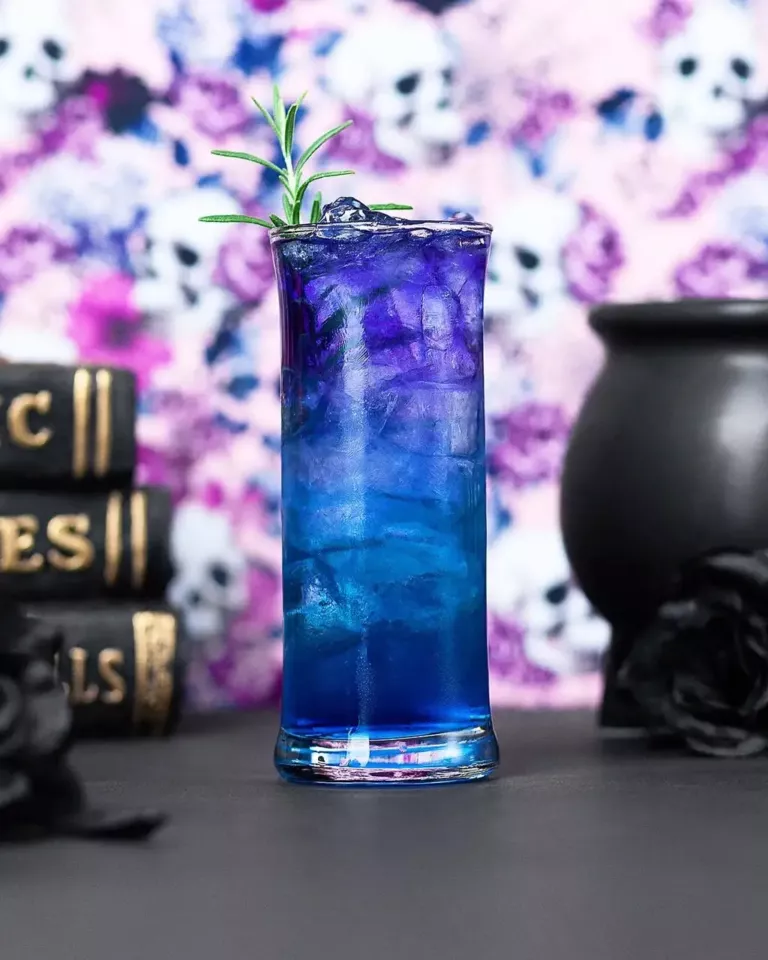
Cocktails I Made with Pine Syrup
Pine Syrup Ingredients
To make this syrup, you’ll need the following ingredients:
Pure Cane Granulated Sugar: This is a refined sweetener made from sugarcane juice that’s been crystallized and dried into uniform, free-flowing white crystals.
Water: This is a clear, tasteless, and odorless liquid that’s composed of hydrogen and oxygen.
Pine Tea: This is a pre-portioned sachet of dried pine needles or pine-derived botanicals that’s designed to be steeped in hot water to impart a fresh, resinous, forest-like flavor.
Brands I Used
How to Make Pine Syrup
There are a couple of ways to make pine syrup, and which one you choose mostly comes down to the tools you have and how hands-on you want to be.
Cooking Methods
Sous Vide Method: This is my go-to for most cocktail syrups that are infused with various flavors—a technique I first came across in the book Death & Co: Modern Classic Cocktails.
The pine tea, sugar, and water are sealed in a temperature-controlled water bath, where the sugar dissolves slowly and the pine needles gently infuse. The steady, low heat preserves the tea’s fresh, forest-like aroma and clean resinous notes, without pushing it into bitterness. It’s an especially good method for pine because it keeps the flavor bright, smooth, and well-balanced.
Stovetop Method: This is the traditional method for making cocktail syrups, and it works if you don’t have an immersion circulator or are short on time.
The water, sugar, and pine tea bags are heated in a saucepan over low heat, stirring until the sugar dissolves and the flavor develops. It’s quicker and requires less equipment, but you’ll want to keep a close eye on it—too much heat or steeping too long can make the pine taste overly resinous or slightly bitter rather than fresh and crisp.
Tools for Making Pine Syrup
To make this syrup using the sous vide method, you’ll need the following tools:
Stockpot: This is a large, deep cooking pot with straight sides and a flat bottom that’s typically used for preparing soups, stocks, sauces, or other recipes that require simmering larger quantities of liquid.
Immersion Circulator: This is a compact kitchen device that heats and continuously circulates water to maintain a consistent temperature for precision cooking.
Measuring Cup Set: This is a collection of cups and spoons in varying sizes, typically featuring easy-to-read markings and durable, easy-to-handle designs, that’s used to accurately measure both dry and liquid ingredients.
Food Scale: This is a kitchen tool that’s used to accurately measure the weight of ingredients, helping ensure precise portions and consistent results in cooking and baking.
Blender: This is a kitchen appliance with rotating blades that chops, purees, or emulsifies ingredients into smooth liquids or mixtures.
Large Freezer Bag: This is a resealable plastic bag with an interlocking closure at the top that’s used for storing, freezing, or transporting food securely.
Small Spring Clamps: These are small, spring-loaded clamps that are used to hold objects securely together.
Fine Mesh Strainer: This is a bar tool with a tightly woven mesh that’s used to strain small ice shards, pulp, and other solids from mixed drinks for a smooth, clean pour.
Pour Spout Measuring Cup: This is a container that’s marked with volume measurements and equipped with a spout to precisely control pouring liquids.
Silicone Spatula: This is a flexible, heat-resistant kitchen tool that’s used for stirring, scraping, and folding ingredients in bowls or pans without scratching the cookware.
Silicone Funnel: This is a flexible, heat-resistant funnel used to easily transfer liquids or powders into containers with narrow openings without spilling.
Tools I Used
- 🔗 All-Clad D3 3-Ply 8 Quart Stainless Steel Stockpot
- 🔗 Instant Pot Accu Slim Immersion Circulator
- 🔗 OXO 8 Piece Stainless Steel Measuring Cup Set
- 🔗 OXO Good Grips Everyday Glass Food Scale
- 🔗 Cuisinart SPB-7CH SmartPower Electronic Bar Blender
- 🔗 Ziploc Gallon Freezer Bags
- 🔗 Romeda 3 ½ Inch Spring Clamps
- 🔗 Barfly Stainless Steel Fine Mesh Cocktail Strainer
- 🔗 OXO Good Grips 2 Cup Angled Measuring Cup
- 🔗 OXO Good Grips Silicone Everyday Spatula
- 🔗 Olamar Premium Silicone Kitchen Funnel Set
How to Store Pine Syrup
After your pine syrup is ready, it’ll need to be chilled to preserve freshness.
Refrigerator Storage
For short-term use, I transfer the syrup to a condiment squeeze bottle or airtight jar and store it in the refrigerator. This method is great when I plan to use the syrup in cocktails within a few days, since the bottle or jar makes it easy to measure and pour without mess.
Freezer Storage
For long-term storage, I transfer the syrup to a flexible pouch with a pouring spout, leaving a little space at the top to allow for expansion as it freezes. I’ll then thaw the pouch in a bowl of water when I’m ready to use the syrup again.
Flavored syrups like this one typically stay fresh for two to three weeks in the refrigerator and up to three months in the freezer. To keep track of freshness, I recommend labeling your containers with the date the syrup was made so you know when to enjoy or discard each batch.
Storage Containers I Used
Squeeze Bottle: This is a flexible, squeezable container with a narrow spout that’s designed for dispensing liquids or sauces in controlled amounts.
Storage Pouch with Pouring Spout: This is a flexible, resealable container that’s designed for storing liquids so they can easily be poured without spills.
Recipe

Pine Syrup
Description
Pine syrup is a bright, aromatic mixer made by infusing sugar and water with pine tea, capturing the fresh, forest-like character of evergreen. This sous vide version highlights clean, resinous notes with a subtle sweetness, making it a distinctive and versatile addition to cocktails—from crisp, spirit-forward drinks to wintery, nature-inspired creations.
Yield: 16 fl oz
Serving Size: 1 fl oz
Ingredients
Method
Fill a large stockpot with hot water, attach immersion circulator to the side of the pot, and set temperature to 135°F.
Add 200 g cane sugar to a blender.
Measure out 200 ml hot water, then slowly pour into blender with sugar and blend for 30–60 seconds until sugar is fully dissolved.
Add sugar mixture and 2 pine tea bags to a high-quality, sealable freezer bag, removing as much air as possible as you seal it.
Once the water has heated to 135°F, submerge the bag, leaving the top 3–4 inches outside of the water, and secure it to the side of the pot with clips so it doesn’t float.
Let syrup cook at 135°F for 2 hours, checking occasionally to make sure the bag remains submerged and the water temperature stays consistent.
Once cooked, carefully remove the bag from the water and place it into an ice bath for a few seconds, then let syrup cool for 5–10 minutes.
Remove tea bags, then strain syrup through a fine mesh strainer 1–2 times to remove any undissolved sugar.
Using a funnel, pour syrup into a squeeze bottle or reusable pouch and store in the refrigerator or freezer.